PrymACE Stock — Where Resources Become Feedstock
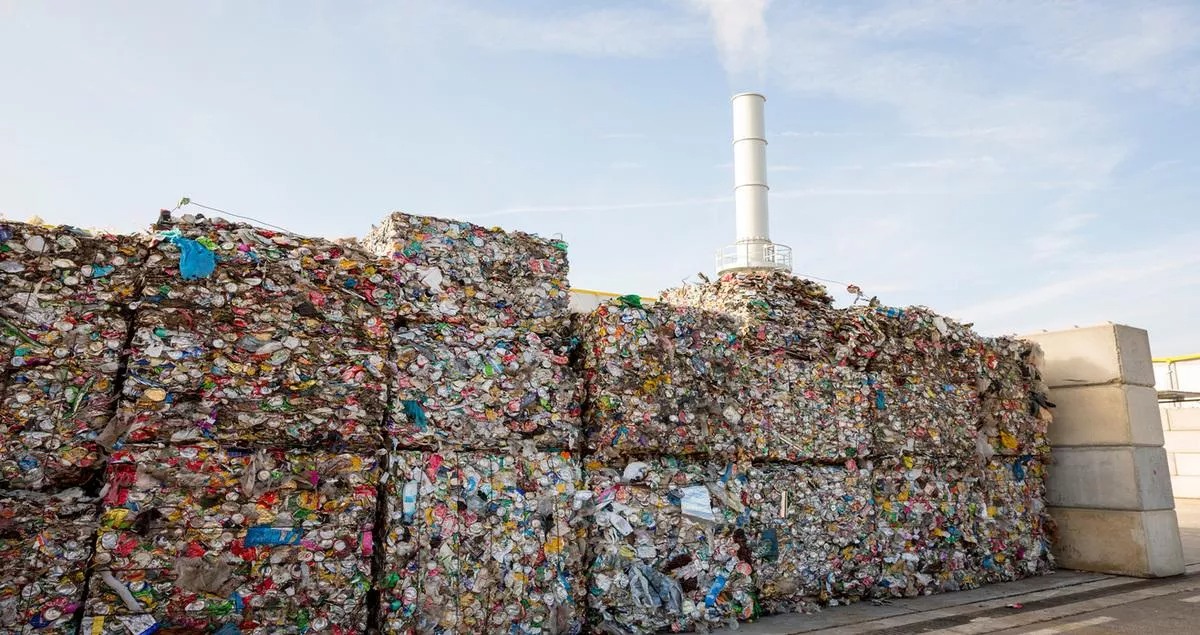
Resources should not end their journey in a dumpsite.
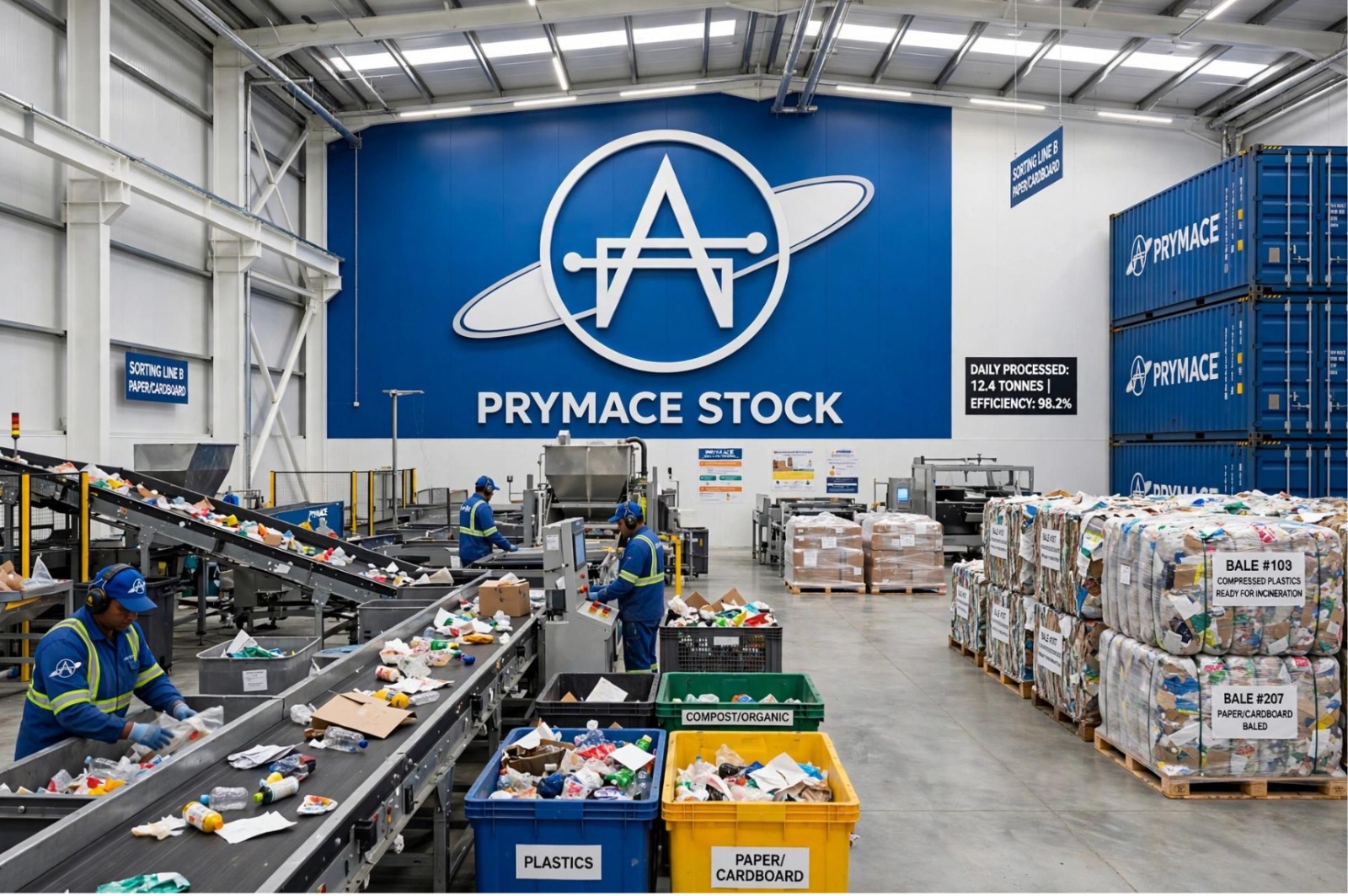
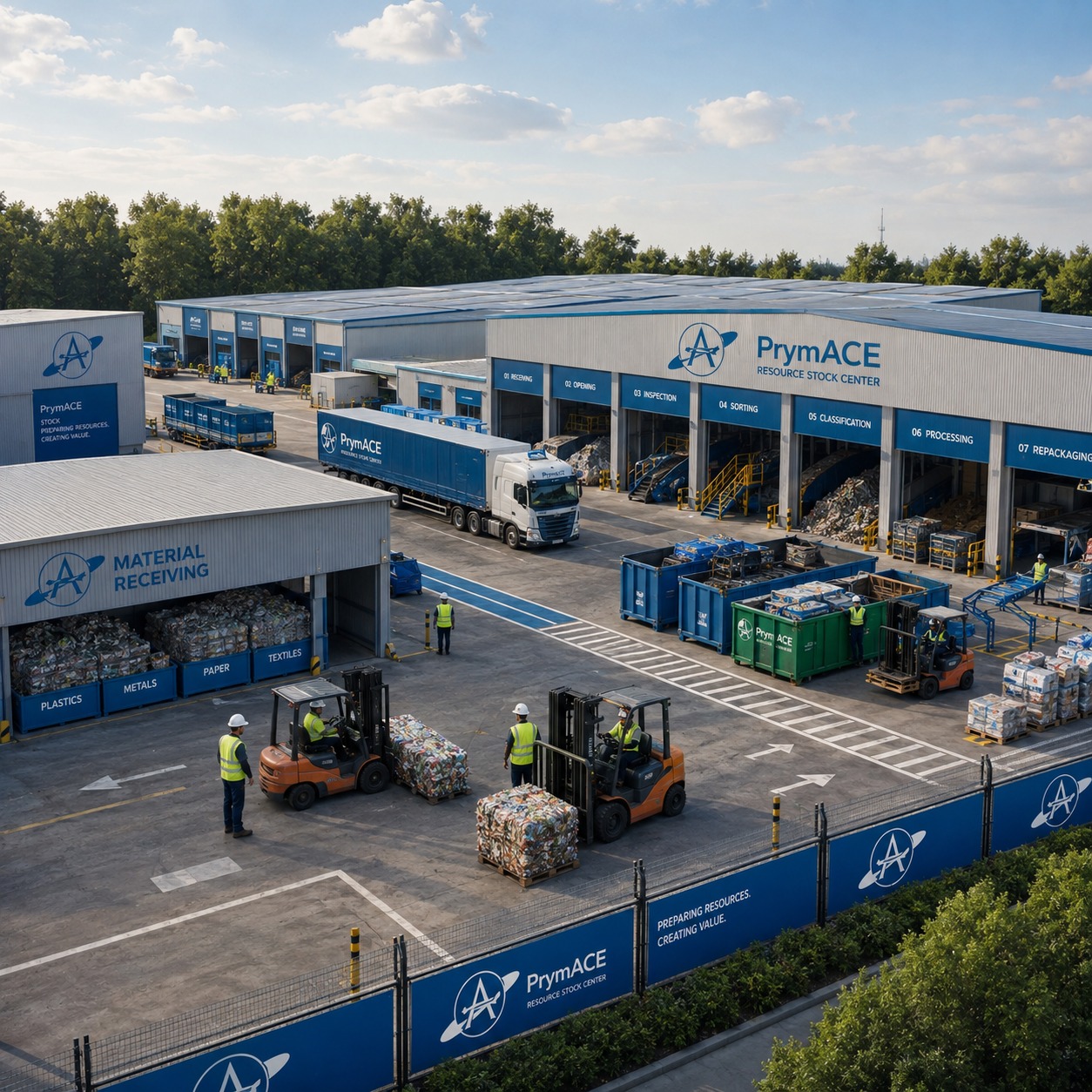
At PrymACE Stock, collected resources enter a controlled industrial environment where they are received, opened, examined, separated, classified, processed and repackaged for their next destination.
Nothing is simply dumped. Everything is prepared.
PrymACE Stock transforms the conventional concept of a refuse dumpsite from a place of accumulation into a facility of resource preparation.
From Resource Storage to Resource Preparation
The conventional dumpsite asks: “Where can we put it?”
PrymACE Stock asks: “What can this material become, and how should we prepare it?”
This difference defines the Stock.
Rather than allowing heterogeneous resource streams to accumulate without productive separation, Stock functions as an organized receiving, sorting and feedstock-preparation facility within the PrymACE network.
Its primary output is not resources.
Its primary output is prepared feedstock.
The PrymACE Stock Process
-
1
Collected Resources
Resources collected through the PrymACE Port network arrive at the designated Stock facility according to established collection schedules and material-flow requirements. Each incoming load is associated with relevant information such as source, Port of origin, contributor or collection stream, material category, estimated quantity, transport information and receiving record. The Stock therefore begins with traceable resource intake.
-
2
Receiving
Incoming loads are received through a controlled receiving area. The facility records the incoming material and performs preliminary checks before directing it to the appropriate processing zone. Receiving establishes the material’s entry into the Stock’s operational inventory. Incoming resources become an accountable material stream.
-
3
Opening
Collected resources may arrive in bags, containers, bundles or other forms of packaging. The opening stage releases the contained materials for proper inspection and separation. Mechanical or controlled manual opening systems are used according to the material and facility design. The objective is simple: open the resource stream before processing it.
-
4
Inspection
The opened material undergoes inspection to determine its condition and suitability for subsequent processing. Inspection may consider material identity, physical condition, contamination, moisture, foreign materials, hazardous or restricted materials, and processing suitability. Materials that require special handling are isolated according to established safety procedures. This creates an important control point between collection and industrial processing.
-
5
Sorting
The heterogeneous material stream is separated into different material groups. Depending on the facility and available technology, sorting may involve combinations of manual sorting, mechanical separation, screening, magnetic separation, density-based separation, optical identification, size classification and other appropriate technologies. The objective is to transform mixed resources into defined resource streams.
-
6
Classification
Sorted materials are further classified according to their physical, chemical and processing characteristics. Classification establishes which processing pathway each material should follow — for example, Stream A to Forge, Stream B to Local Reuse, Stream C to Recycling / Manufacturing, Stream D to Specialized Processing, Stream E to Controlled Handling. The Stock therefore acts as a material-routing intelligence layer between collection and downstream processing.
-
7
Processing
Materials may undergo preliminary preparation required for efficient downstream processing. Depending on the resource stream, preparation may include cleaning, drying, size reduction, shredding, screening, densification, separation, blending or other appropriate pre-processing operations. The purpose is not necessarily to produce the final product at Stock — the purpose is to prepare the material for its next industrial operation.
-
8
Repackaging
Prepared material streams are consolidated and packaged according to the requirements of their next destination. Packaging may include standardized containers, bags, bales, bulk handling, sealed units or other appropriate transport formats. Each prepared batch can be assigned a traceable identification record. Unorganized resources become an organized industrial feedstock.
-
9
Industrial Feedstock
The final output of the Stock process is a collection of prepared resource streams suitable for further processing. The prepared material can then be transferred to the appropriate downstream facility — for material destined for the Forge.
Stock Is Not a Dumpsite
A dumpsite stores the problem. Stock prepares the resource.
A conventional dumpsite generally functions around accumulation and containment.
PrymACE Stock is designed around:
- Receiving
- Identifying
- Separating
- Classifying
- Preparing
- Routing
The difference is fundamental.
The objective is not to keep resources at Stock.
The objective is to move resources through Stock.
The Material Intelligence of Stock
Every incoming material stream represents a mixture of potentially different resources.
Stock provides the technological and operational intelligence necessary to answer:
- What is it?
- How much is there?
- What condition is it in?
- What can it be used for?
- How should it be processed?
- Where should it go next?
This makes Stock an important information and preparation layer within the PrymACE system.
Stock as a Resource Logistics Hub
PrymACE Stock also functions as an aggregation and logistics node. Multiple Ports can feed a designated Stock:
The exact number of Ports assigned to a Stock should depend on:
- daily resources generation;
- material composition;
- Port capacity;
- Stock processing capacity;
- transportation distance;
- downstream demand;
- geographic conditions;
- and operational economics.
This allows the PrymACE Network to be designed as a capacity-balanced resource supply chain.